News · Cape Breton, Nova Scotia
Published
Point Tupper’s AI proposal has a $10-billion headline. The lasting jobs tell another part.
EverWind’s announced package combines a Point Tupper data campus with Nova Scotia wind projects. Its investment, jobs and community benefits remain commitments and projections to assess as development proceeds.
Facts checked
In this story
Two thousand jobs, then 215
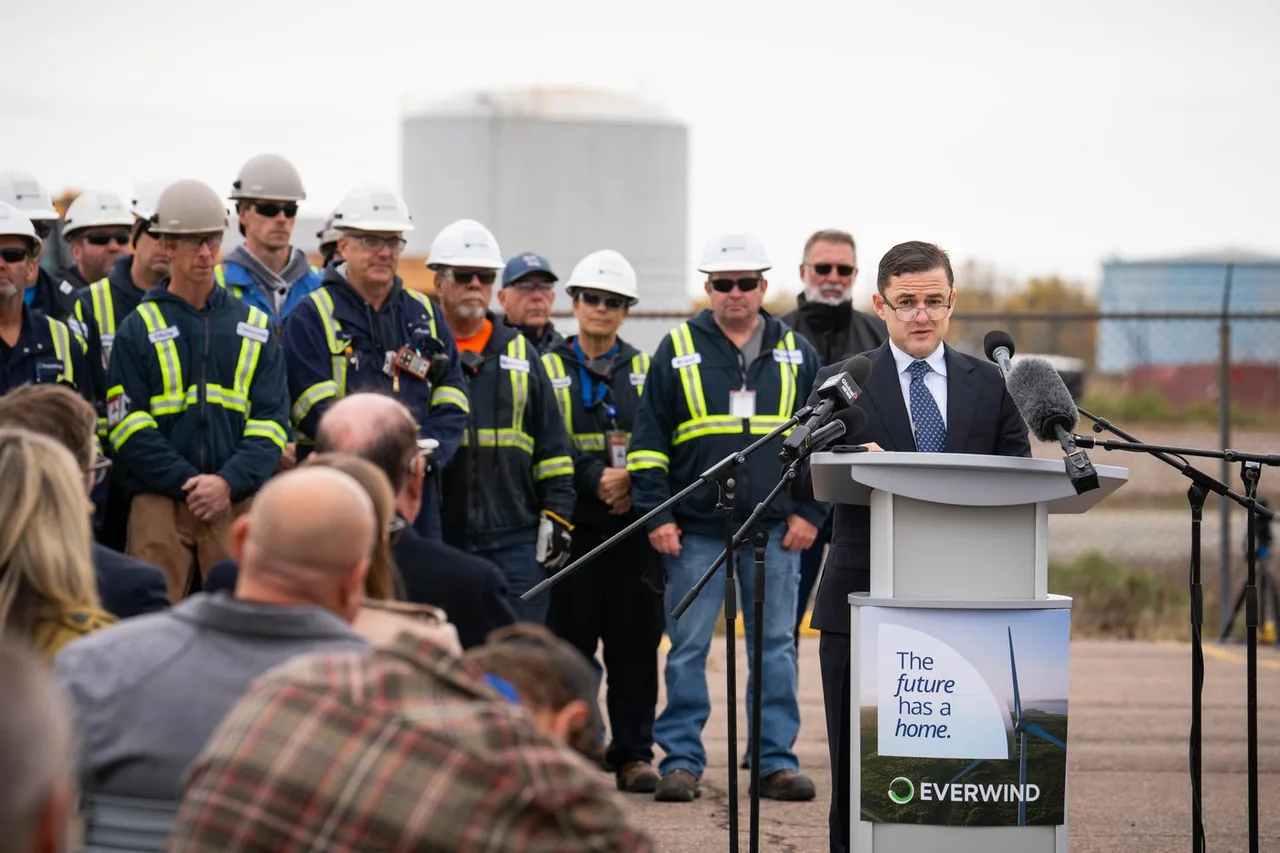
The two employment numbers in EverWind’s Point Tupper announcement deserve to be read together: about 2,000 construction positions and 215 permanent operating positions. Both matter. They simply describe very different working lives after the ribbon has been cut.
The October 16 announcement sets out more than $8 billion for a data-centre campus at Point Tupper and $2 billion for wind projects across Nova Scotia. The construction work would be staged; the permanent roles cover the campus and wind portfolio together. The whole $10 billion is not a single building, and all those jobs would not be permanent positions in one room.
Source: EverWind’s October 16, 2026 announcement
The work has to leave a local benefit
For a community considering a major industrial investment, construction can mean real contracts and pay packets. Permanent work can mean something longer: a reason for people to build a life nearby. The difference helps explain why local-forum contributors questioned whether the lasting workforce justified the project’s demands.
Electricity, water and continuous noise were recurring concerns, alongside transparency and how much benefit would remain on the island. These are questions about a proposal, not measurements of harm already caused. They deserve the relevant plans and studies rather than either reassurance by adjective or automatic dismissal.
EverWind says it will pay electricity-infrastructure costs attributable to the project and work on a community benefit program. The useful next detail is what those commitments require, when they apply and how delivery will be measured. A promised benefit is easier to follow when the public can see its terms.
Source: Cape Breton AI data centre discussion, October 16, 2026
Source: EverWind’s October 16, 2026 announcement
The approvals do not come as a set
The provincial register separates named wind developments, transmission work and the earlier Point Tupper hydrogen and ammonia project. Progress on one does not quietly grant permission for them all.
Setapuktuk is a useful example. Nova Scotia’s November 2025 announcement concerns a Guysborough wind project linked at that time to hydrogen and ammonia, with 58 conditions and its own jobs figures. It is not proof that the newly announced AI campus has every permission it needs.
The potential gain is substantial investment and work. The unanswered balance is what the community receives over time, and what shared systems must provide in return. Keeping construction separate from lasting employment and announcements separate from delivery is not cynicism. It is how people can recognize a promise being kept.
Source: Nova Scotia environmental assessment project register
Source: Nova Scotia: Setapuktuk Wind Project approval, November 24, 2025
Source: EverWind’s October 16, 2026 announcement
Source: Cape Breton AI data centre discussion, October 16, 2026
Questions people ask
Where would EverWind’s Cape Breton data campus be built?
The company identifies its existing Point Tupper industrial site as the proposed campus location.
Source: EverWind’s October 16, 2026 announcement
Is the full $10 billion for the data centre alone?
No. The announcement includes more than $8 billion for the campus and $2 billion for wind development.
Source: EverWind’s October 16, 2026 announcement
Are the announced jobs all permanent?
No. The company separates construction positions from permanent operating positions.
Source: EverWind’s October 16, 2026 announcement
How many permanent positions are projected?
EverWind says 215 across the data centre and wind portfolio. That is a projection.
Source: EverWind’s October 16, 2026 announcement
Has the project already delivered those jobs?
The announcement describes planned development, not completed results.
Source: EverWind’s October 16, 2026 announcement
Why are residents asking about power costs?
They want to know who pays for demands on shared electricity infrastructure.
Source: Cape Breton AI data centre discussion, October 16, 2026
What has EverWind promised about infrastructure costs?
It says it will fund electricity infrastructure costs attributable to the project.
Source: EverWind’s October 16, 2026 announcement
Why does a data centre need careful electricity planning?
The proposal would place a large new demand on shared infrastructure. Residents want clear answers about capacity, reliability and who pays.
Source: Cape Breton AI data centre discussion, October 16, 2026
How much wind investment is included in EverWind’s proposal?
The announced package includes $2 billion for wind development, alongside more than $8 billion for the data campus.
Source: EverWind’s October 16, 2026 announcement
What should residents track next?
Published approvals, enforceable conditions, permanent jobs and measured delivery of community benefits.
Something changed? Tell us about a correction.